
Rehab Loan in Cape Cod, MA
You may be able to purchase a home and roll the costs of the renovation into your loan.
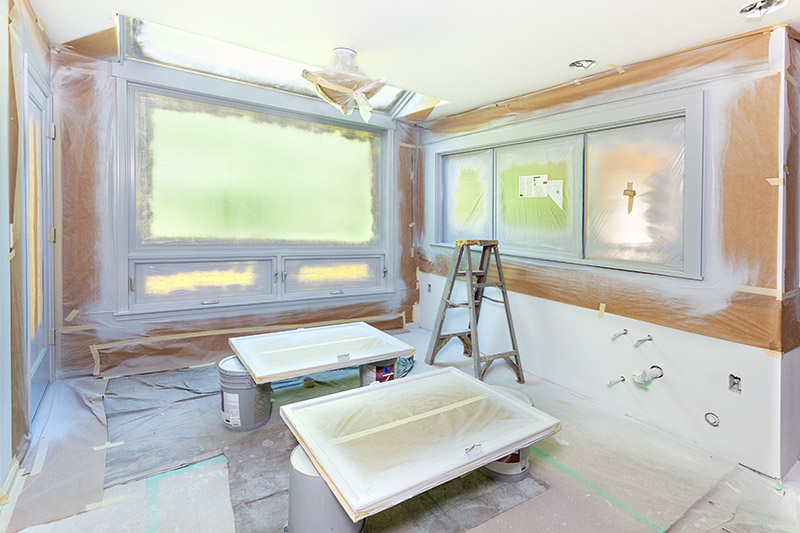
A rehab loan in Cape Cod, MA is a mortgage that lets you purchase and renovate a home with a single loan, unlocking properties that might otherwise be out of reach. If you’re looking at homes in need of repairs or updates, I’m Mike Burton, and I’ve spent 46 years living and working on Cape Cod, helping buyers turn fixer-uppers into dream homes. As a local Chamber of Commerce member and Community Health Center Golf Tournament Chair, I know how important it is to have the right guidance for these unique projects.
Key Takeaways
- All-in-One Financing: A rehab loan in Cape Cod, MA combines your home purchase and renovation costs into a single mortgage, simplifying the process.
- Broadened Property Choices: Rehab loans allow you to consider homes that need significant repairs or upgrades, not just move-in ready options.
- Multiple Program Types: Options like FHA 203(k) and Fannie Mae Homestyle offer different features and eligibility, so you can find what may be appropriate for your needs.
- Local Market Insight: Working with a Cape Cod-based rehab lender means you get advice tailored to our region’s homes, permitting, and contractor landscape.
- Community Commitment: My long-term involvement in Cape Cod’s civic life means I’m invested in helping you succeed with your rehab project.
- Flexible Renovation Scope: You can finance everything from minor cosmetic updates to major structural repairs, depending on the program.
- Alternative Options Available: If a rehab loan isn’t the right fit, we can also look at reverse mortgage options, construction home loans, or first-time home buyer programs for your situation.
Understanding Rehab Loans: Basics and Benefits
Rehab loans in Cape Cod, MA are designed for buyers who want to purchase homes needing repairs or updates, combining the purchase and renovation costs into one mortgage. These programs open up more inventory, especially in areas where older homes are common or where move-in ready homes may be priced out of reach. By financing both the home and the improvements together, you can spread the cost over the life of your mortgage and potentially build equity right from the start. In our experience, many buyers who use rehab loans are able to create a home that truly fits their needs and style, all while investing in a property’s future value.
Common Questions About Rehab Loans
- What is a rehab loan? A rehab loan is a mortgage that covers both the purchase price of a home and the cost of approved renovations, all in one loan.
- Who can use a rehab loan? Rehab loans are available to many types of buyers, including first-time buyers, those purchasing a second home, and sometimes investors, depending on the specific rehab program.
- How does the renovation process work? After closing, renovation funds are held in escrow and released in stages as your contractor completes each phase of work and passes inspections.
- Can I use a rehab loan for any property? Eligible properties typically include single-family homes, some condos, and 2-4 unit properties that need repairs; the property must meet program guidelines and local codes.
- Do I need a licensed contractor? Most rehab mortgage programs require you to use a licensed contractor for major work, though some allow minor DIY projects with proper documentation and approval.
- Is the process longer than a standard mortgage? Yes, rehab loans usually take longer to close—often 45-60 days—due to the need for contractor bids, renovation plans, and additional reviews.
- How much can I borrow? The loan amount is based on the home’s projected value after renovations, subject to current 2026 lending limits for Barnstable County and program caps.
- What if a rehab loan isn’t right for me? If you prefer move-in ready homes or want a simpler process, you may want to explore fixed-rate mortgage options or first-time home buyer programs instead.
How Rehab Loans Work
- Pre-Qualification and Consultation: We’ll meet to review your finances, credit, and renovation goals. Ok, here is how the program works: I’ll provide a sample payment based on a hypothetical loan amount and interest rate, but we have many options to choose from and can tailor the numbers to your scenario.
- Finding the Right Property: You search for homes in Cape Cod, MA that need repairs or updates. I can help you identify which properties are eligible for rehab financing, including foreclosures, estate sales, or older homes in established neighborhoods.
- Developing a Renovation Plan: Once you find a property, you’ll work with a licensed contractor to create a detailed scope of work and cost estimate. This plan is submitted with your offer and reviewed by the lender.
- Loan Application and Appraisal: We’ll submit your application, contractor bid, and renovation plan. The lender orders an appraisal that estimates the home’s value after the planned improvements.
- Underwriting and Approval: The lender reviews your financials, renovation plan, and contractor credentials. This step can take longer than a standard loan due to the extra documentation and checks.
- Closing and Escrow Setup: At closing, you sign for a loan that covers both the purchase and renovation costs. The seller is paid, and the renovation funds are placed in escrow for controlled release.
- Renovation and Draw Process: After closing, your contractor begins work. Funds are released in draws as each stage is completed and inspected, ensuring quality and compliance with your plan.
Is a Rehab Loan Right for You?
Rehab loans may be appropriate for buyers who are comfortable with renovations and want to unlock value in homes that need work. If you’re a first-time home buyer, a second-home buyer, or someone who sees potential in properties that others overlook, this program lets you customize your home from the start. In our experience, buyers who are patient, organized, and willing to coordinate with contractors often get the most out of rehab mortgages—especially in Cape Cod, where older homes are common and inventory can be limited.
However, a rehab mortgage isn’t the best choice for everyone. If you want a move-in ready home, have a tight closing timeline, or aren’t comfortable managing a renovation, a traditional fixed-rate mortgage or first-time home buyer program might be worth considering. Investors looking for quick flips may prefer a fix & flip home loan. For those over 62 interested in aging in place, a reverse mortgage could be a better fit. I’m here to help you weigh the pros and cons so you can make an informed decision.
Costs, Fees, and What to Expect
Rehab loans often come with higher upfront costs and longer timelines than standard mortgages, but they also offer unique benefits. You’ll typically need a down payment of 3.5% (for FHA 203(k)) or 5%+ (for conventional rehab loans), calculated on the total of the purchase price plus renovation costs. Closing costs are usually higher due to extra appraisals, inspections, and escrow management. Interest rates are often slightly above those for standard loans, reflecting the added complexity and risk. Ok, here is how the program works: your monthly payment will include principal and/or interest based on your total loan amount and rate. For example, on a $600,000 home with $100,000 in renovations (total $700,000), a 5% down payment would be $35,000, and closing costs might run $10,000–$15,000, depending on the project’s scope and lender fees. Renovation funds are held in escrow and released in draws as work is completed and inspected. Timelines are longer—typically 45-60 days from application to closing—so plan accordingly.
| Feature | Rehab Loan | Standard Mortgage |
|---|---|---|
| Down Payment | 3.5% – 5%+ (of purchase + renovations) | 3% – 20% (of purchase price) |
| Interest Rate | Slightly higher (reflecting renovation risk) | Lower (for best-qualified borrowers) |
| Closing Costs | Higher (due to extra inspections, escrow) | Standard |
| Renovation Funds | Held in escrow, released in draws | Not included |
| Timeline | 45-60 days (sometimes longer) | 30-45 days |
| Eligible Properties | Homes needing repairs/upgrades | Move-in ready homes |
If you’re comparing programs, you might also want to look at our construction home loan or cash out refinance options for different renovation needs.
Common Mistakes to Avoid
- Underestimating Renovation Costs: Many buyers overlook hidden issues or unexpected repairs—always get detailed contractor bids and include a contingency budget.
- Choosing Inexperienced Contractors: Rehab loans require licensed, vetted contractors. In our experience, using someone unfamiliar with rehab mortgage requirements can delay approval or even derail your project.
- Skipping Permitting Steps: Cape Cod towns like Barnstable and Falmouth have strict permitting rules, especially for older or historic homes. Failing to secure the right permits can halt your renovation mid-project.
- Expecting a Fast Closing: Rehab mortgages take longer than standard loans due to extra documentation and reviews. Rushing the process or not allowing enough time can lead to frustration or missed deadlines.
- Trying to DIY Major Work: Most programs limit the amount of self-performed work. Attempting major renovations yourself without approval can lead to denied draws or even loan default.
- Overlooking Local Flood or Environmental Regulations: Properties in flood zones or near protected wetlands may require extra steps for approval—missing these can delay or prevent your loan from closing.
Local Considerations for Rehab Loans in Cape Cod, MA
Rehab loans in Cape Cod, MA require a close look at local property types, permitting, and market dynamics. Neighborhoods like Hyannis and Chatham feature older homes with historic charm but often need updates to meet modern standards. Many buyers here work in healthcare, education, or the seasonal hospitality industry, which can impact qualifying income and renovation timelines. Local permitting is strict, especially in flood-prone areas or historic districts—Barnstable, for example, has detailed requirements for exterior changes and additions. In our experience, working with local contractors and understanding Cape Cod’s permitting landscape is critical for a smooth rehab loan process. I can connect you with trusted professionals who know the ins and outs of the Cape’s unique housing stock.
Ready to Explore Your Rehab Loan Options?
If you’re considering a rehab loan in Cape Cod, MA, I’d love to help you explore your options and see if this program may be a good fit. With my decades of experience as a Cape Cod resident and my commitment to our community, I’ll walk you through every step—from pre-qualification to closing and beyond. Whether you’re a first-time buyer, looking for a second home, or considering alternatives like reverse mortgage or construction home loan programs, I’m here to answer your questions and help you make an informed decision. Get started with Mike Burton (NMLS #3373) today—reach out for a personalized quote at this link.
This is educational content and not financial advice. Loan programs and guidelines can change. Talk with a licensed mortgage professional about your specific scenario.
Surf our website to learn about our company, see our loan programs, and request a free consultation.
Get started today!
Fill out the questionnaire on this page to start a discussion about your mortgage needs today!