
Construction Home Loans in Cape Cod, MA
Building a home is a big step. Our construction home loans are designed to support you at every stage of this exciting journey.
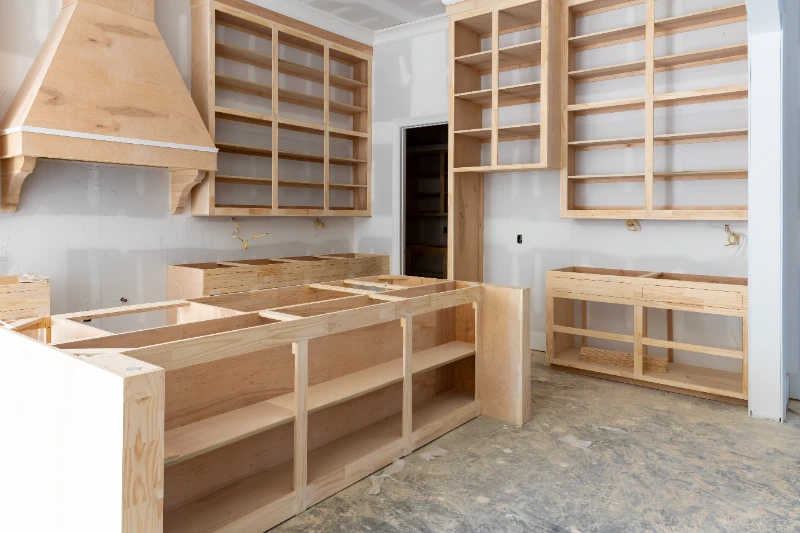
A Construction Home Loan is a specialized mortgage that funds the building of a new home or a major renovation, with a unique process and requirements compared to traditional mortgages. If you’re planning to build or transform a property in Cape Cod, MA, I’m Mike Burton (NMLS #3373), and I’m here to guide you through every step of the construction home loan process. With 46 years as a Cape resident, deep involvement in the local community, and experience as a Community Health Center Golf Tournament Chair and Chamber of Commerce member, I understand the local landscape and how to help you navigate construction home loans in Cape Cod, MA with confidence.
What Is a Construction Home Loan?
Construction Home Loans in Cape Cod, MA are designed for buyers who want to build a custom home or undertake a significant renovation, offering flexibility but requiring careful planning and local expertise. These loans differ from standard mortgages by releasing funds in stages as construction progresses, and they often require more documentation and oversight. If you’re considering building in Cape Cod, it’s important to work with a lender who understands the local permitting process, the unique characteristics of Cape properties, and the seasonal dynamics of building on the Cape.
Key Takeaways
- Stage-Based Funding: Construction Home Loans in Cape Cod, MA release funds in draws as your project hits key milestones, not all at once.
- Interest-Only Payments During Construction: You’ll typically pay only interest on the amount drawn until the build is complete, helping keep cash flow manageable.
- One-Time and Two-Time Close Options: You can choose a single loan that converts to a permanent mortgage or separate loans for construction and permanent financing.
- Detailed Documentation Required: Lenders require approved building plans, a licensed builder, and a clear construction budget before approval.
- Local Knowledge is Critical: Cape Cod’s permitting, zoning, and environmental rules are unique—local expertise can help you avoid costly delays.
- Alternative Programs Available: If a construction loan isn’t the right fit, consider rehab loan options or first-time home buyer programs for less extensive projects.
- Flexible Use Cases: Construction Home Loans can be used for new builds, major renovations, or even adding an accessory dwelling unit (ADU) in some cases.
Common Questions About Construction Home Loans
- What is a Construction Home Loan? It’s a short-term loan that provides funds for building a new home or major renovation, with money released as work is completed.
- Who is eligible for a Construction Home Loan? Borrowers with solid credit, documented income, and a qualified builder are typically eligible, but requirements vary by lender and program.
- How long does the construction loan process take? The process from application to completion can take anywhere from 6 to 18 months, depending on the project and local permitting.
- Can I act as my own builder? Most lenders require a licensed and insured contractor, but some owner-builder programs exist for highly experienced applicants.
- Do I need a large down payment? Down payments often range from 5% to 20% depending on the loan program, your credit, and the project’s complexity.
- Is the interest rate higher than a regular mortgage? Yes, construction loan rates are typically a bit higher during the build phase due to increased risk, but may adjust when converting to a permanent loan.
- What happens if construction costs go over budget? Lenders may require you to cover overruns out of pocket, so it’s important to build in a contingency fund and plan carefully.
- Can I use a construction loan for a second home or investment property? Yes, there are programs for second homes and investment properties—learn more about investment property loans and second home purchase options.
How Construction Home Loans Work
- Initial Consultation: We’ll start with a conversation about your goals, the type of property you want to build or renovate, and your budget. I’ll help you understand what documentation you’ll need, such as architectural plans and builder contracts.
- Pre-Qualification and Budgeting: I’ll review your credit, income, and assets to estimate how much you may qualify for. Ok, here is how the program works: your payment during construction will be interest-only, based on the amount drawn at each stage.
- Loan Application and Documentation: You’ll submit detailed plans, a construction budget, and information about your builder. The lender will verify that your project meets current 2026 guidelines and is feasible for the area.
- Appraisal and Underwriting: An appraiser estimates the future value of your completed home. Underwriters review your financials, the builder’s credentials, and the construction budget to ensure everything is in order.
- Closing and Draw Schedule Setup: Once approved, you’ll close on the loan. Funds are set up to be released in draws as each phase of construction is completed and inspected.
- Construction Phase: Your builder completes the work in stages. You make interest-only payments on the funds drawn, and inspections ensure progress and quality at each step.
- Conversion to Permanent Mortgage: When construction is finished, the loan converts to a traditional mortgage. Your payment will now include principal and/or interest, based on the final loan amount and interest rate.
Is a Construction Home Loan Right for You?
Construction Home Loans may be appropriate for buyers who want to build a custom home, renovate extensively, or add significant value to a property in Cape Cod. If you have a clear vision, a qualified builder, and the patience for a longer, more detailed process, this program often works well. In my experience, clients who benefit most are those who want a home tailored to their needs—whether it’s a first-time build, a second home, or a major renovation. If you already own land or want to create a multi-generational property, a construction home loan can help bring your vision to life.
However, construction loans aren’t for everyone. If you’re looking for a quick move-in, have limited savings, or prefer a more straightforward process, traditional options like a fixed-rate mortgage or first-time home buyer program may be worth considering. Those with credit challenges or uncertainty about managing a construction project might want to explore rehab loans or low down payment purchase options instead. I always encourage clients to weigh the trade-offs and talk through their goals before deciding which direction to go.
Costs, Fees, and What to Expect
Understanding the costs and fees of a Construction Home Loan can help you budget and avoid surprises. You’ll need to plan for a down payment (typically 5% to 20% depending on the program and your credit), closing costs (often 2% to 5% of the loan amount), and interest-only payments during construction. For example, on a $700,000 build with 10% down, closing costs often run $14,000 to $35,000, depending on lender fees, title insurance, and required inspections. Ok, here is how the program works: your payment during construction is based on the funds drawn, not the full loan amount, which can help with cash flow while you’re still paying rent or a mortgage elsewhere.
Construction loan rates are usually a bit higher than traditional mortgages, reflecting the added risk and complexity. Once the home is complete, your loan converts to a permanent mortgage with a new principal and interest payment, based on the final loan amount and prevailing rates as of 2026. Timelines can range from 6 to 18 months, depending on the project, local permitting, and builder availability. If you’re comparing options, you may also want to look at bridge home loan options for temporary financing, or rehab loan programs for less extensive projects.
| Feature | Construction Home Loan | Traditional Mortgage |
|---|---|---|
| Down Payment | 5%-20% (varies by program and borrower) | 3%-20% (depending on loan type) |
| Interest Rate | Slightly higher during construction phase | Typically lower, fixed or adjustable |
| Payments During Construction | Interest-only on funds drawn | Principal and interest from day one |
| Closing Costs | 2-5% of loan amount, may include extra inspections/appraisals | 2-4% of loan amount |
| Timeline | 6-18 months for build, then converts | Immediate occupancy |
| Documentation | Detailed plans, builder contract, budget | Standard income/asset verification |
Common Mistakes to Avoid
- Underestimating the Total Project Cost: Many borrowers overlook site work, utility hookups, or upgrades. In our experience, even small changes during the build can add thousands—always include a contingency fund.
- Choosing an Inexperienced Builder: Lenders require a licensed, insured contractor with a proven track record. Selecting someone without local experience can lead to delays, inspection failures, or even loan denial.
- Inadequate Planning and Documentation: Submitting incomplete plans or a vague budget often stalls loan approval. Detailed, accurate documentation is essential for a smooth process.
- Misunderstanding Draw Schedules: Funds are released in phases, not all at once. If your builder isn’t familiar with draw schedules, you could face cash flow issues mid-project.
- Ignoring Local Permitting Requirements: Cape Cod has strict zoning, flood zone, and conservation rules. For example, starting excavation before securing all permits can halt your project and jeopardize your loan.
- Overextending Financially: Taking on a larger project than your budget allows can create stress and risk. Make sure your payment of principal and/or interest fits your long-term financial comfort zone.
Local Considerations for Construction Home Loans in Cape Cod, MA
Building or renovating on Cape Cod means navigating unique local rules and market dynamics. Neighborhoods like Chatham and Falmouth have their own permitting processes, and areas near Hyannis or Wellfleet may face stricter flood zone regulations or conservation land restrictions. Many local buyers work in hospitality, healthcare, or seasonal tourism—timing your build around the busy summer season can impact contractor availability and costs. In my 46 years on the Cape, I’ve seen how understanding local building codes, historic district requirements, and the nuances of each town can make or break a project. Working with local professionals who know the Cape’s market and geography is essential for a successful build.
Ready to Explore Your Construction Home Loan Options?
If you’re considering a Construction Home Loan in Cape Cod, MA, I’d love to help you understand your options and guide you through the process from start to finish. Whether you’re a first-time builder, planning a second home, or thinking about a major renovation, I’m here to answer your questions and help you compare construction loans with other programs like reverse mortgage options or second home purchase programs. I enjoy helping my clients feel comfortable and confident—let’s talk about your vision and see what may be possible together.
Get started with Mike Burton (NMLS #3373) today by requesting a personalized conversation or a quote at Get Started.
This is educational content and not financial advice. Loan programs and guidelines can change. Talk with a licensed mortgage professional about your specific scenario.
Surf our website to learn about our company, see our loan programs, and request a free consultation.
Get started today!
Fill out the questionnaire on this page to start a discussion about your mortgage needs today!