Reverse Mortgages: What Cape Cod Homeowners Need to Know
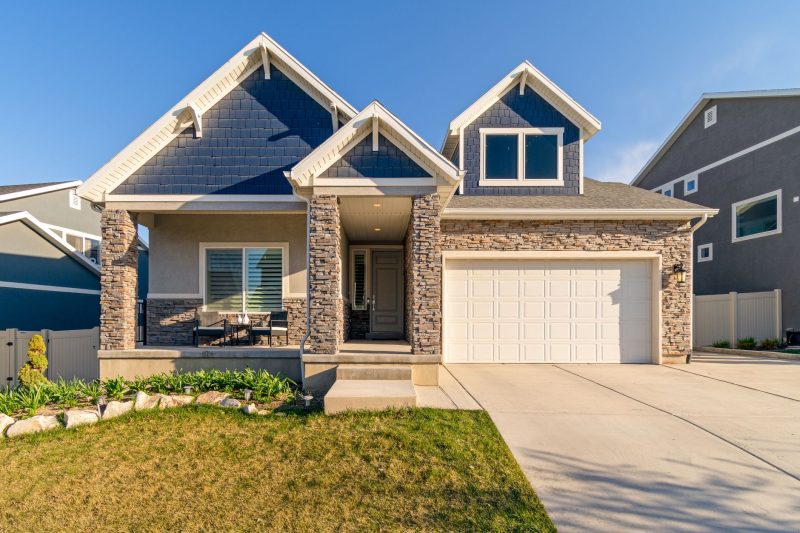
If you’re a homeowner on Cape Cod and you’re starting to think about how to tap into your home’s value in retirement, the world of reverse mortgages can seem complicated. A reverse mortgage allows eligible homeowners to convert part of their home equity into tax-free cash, typically without selling the home or making monthly mortgage payments. In this overview, I’ll walk through how reverse mortgages work, who qualifies, the pros and cons, and what you should consider when deciding if this option fits your situation.
Key Takeaways
- Purpose: Reverse mortgages let homeowners convert home equity into cash while staying in their home.
- Eligibility: Typically available to homeowners aged 62 or older, with significant home equity and the property as their primary residence.
- Repayment: The loan becomes due when you move out, sell, or no longer occupy the home as your main residence.
- Best For: Homeowners looking for access to cash in retirement, who plan to stay in their home for the foreseeable future.
Quick Answers: Reverse Mortgage Basics
- What is a reverse mortgage? It’s a loan that allows you to borrow against your home’s equity, paid back when you leave the home.
- Will I lose my home? You continue to own your home and live there, as long as you meet the program requirements.
- Are there monthly payments? No regular monthly payments are required, but you must still pay property taxes, homeowner’s insurance, and maintain the property.
- What types of properties qualify? Most single-family homes and some townhomes/condos may be eligible—let’s review your specific property for details.
What Is a Reverse Mortgage?
A reverse mortgage is a specialized home loan for folks who want access to the equity they’ve built over the years. Instead of making payments to a lender, the lender makes payments to you—either as a lump sum, line of credit, or regular installments. The full loan only comes due when you move out, sell, or no longer use the home as your main residence.
At Mike Burton (NMLS# 3373), I help homeowners all over Cape Cod and the Islands, Plymouth County, the Boston area, and beyond navigate these decisions every day. The main idea is that you stay in your home and keep living there while using the equity to support your lifestyle, cover sudden expenses, or even help family members.
How Does the Program Work?
Ok, here is how the program works. When you set up a reverse mortgage, you decide how you want to receive your funds—up front, monthly, or as a line of credit you can tap into as needed. The loan amount you can access is based on several factors, including your age, the current market value of your home, interest rates, and program limits. The older you are and the more equity you have, the more you may be able to borrow.
No matter how you receive the funds, you keep responsibility for property taxes, homeowner’s insurance, flood insurance (if required), and maintaining your home as your primary residence. If these obligations aren’t met, the loan may become due. It’s a little different from a traditional mortgage, so I always take the time to make sure the expectations are clear.
Reverse Mortgage Payment Example
You will have a payment of principal and/or interest of this amount. This is based on a loan amount of this and an interest rate of this. This is just 1 example; we have many options to choose from, and we can go over them together to see what would work with your goals.
Who Qualifies for a Reverse Mortgage?
Most reverse mortgages are Home Equity Conversion Mortgages—commonly called HECMs—and they have a set of eligibility guidelines. Here are the basics:
- Age: Generally, at least one borrower must be 62 or older.
- Primary Residence: The home must be your primary residence, not a second home or vacation property.
- Equity: Significant home equity is required, as this is what you’re borrowing against.
- Property Types: Single-family homes, FHA-approved condos, and some multi-unit properties (if you live in one unit) may qualify.
- Financial Assessment: Lenders will review your income, debt, and ability to pay taxes and insurance, to make sure you can uphold the program requirements.
The specific numbers and guidelines can change, so I take time to review current rules and make sure you’re comfortable.
How Does Repayment Work?
With a reverse mortgage, repayment is deferred until a maturity event. That typically means selling the home, moving out, or the last borrower passing away. When the loan comes due, you or your heirs can choose to sell the home and pay off the loan, or (if you want to keep the home) repay the balance with other funds.
If the home’s value drops below what is owed, the program is designed so neither you nor your heirs are stuck paying more than the home is worth at sale (these are known as ‘non-recourse’ loans). This is a key detail that gives folks some peace of mind when considering a reverse mortgage.
Benefits and Considerations
Every loan comes with trade-offs, so let’s touch on the pros and things to keep in mind:
Potential Benefits
- No required monthly mortgage payments
- Access to home equity while continuing to live in your home
- Funds can be used for anything—living expenses, medical bills, or even helping adult children
- Flexible structure: lump sum, monthly payments, or line of credit
- Loan is non-recourse: you won’t owe more than the home’s value when sold
Considerations
- Closing costs and fees, which are typically rolled into the loan amount
- Reduced home equity available to pass down to heirs
- You must keep up with taxes, insurance, and home maintenance
- Program rules and loan terms can change, so annual reviews are helpful
Some folks on the Cape like the idea of staying in place, enjoying the home they’ve worked hard for, and still having financial flexibility. For others, preserving maximum inheritance matters more. It’s all about what feels right for you and your plans.
Is a Reverse Mortgage Right for You?
I’ll say, this is a big decision, and sometimes it takes a little time to settle in. I often talk with homeowners who want to see all their options side-by-side—including selling, downsizing, home equity loans, or just refinancing. Reverse mortgages are just one tool, and it’s important to look at the full picture.
If you’re considering a reverse mortgage in Cape Cod, Nantucket, Martha’s Vineyard, Plymouth, or anywhere in Massachusetts or Florida, let’s talk it through. I help folks weigh their choices and make a plan they’re comfortable with. We will do this together.
What Happens Next? (Next Steps)
If you’re curious about how a reverse mortgage could work for you or a loved one, I’d encourage you to reach out. We can go over your specific scenario, run a few examples, and talk through the pros and cons.
Feel free to call, text, or email anytime—no pressure, just honest conversation. And if you’re at the beginning stage, we can walk through pre-approval and planning so you understand every step. The options and information I will be giving you may take some time to settle in, and I’m happy to review them as often as needed.
Frequently Asked Questions
Will my family lose the home if I get a reverse mortgage?
No, you and your heirs keep ownership of the home. Once the last borrower leaves the home, your family can decide to repay the loan and keep the home, or sell the property and pay off the loan balance from the sale proceeds.
What costs are involved in a reverse mortgage?
Reverse mortgages typically come with closing costs, origination fees, and mortgage insurance premiums. These are often rolled into the loan, so you don’t need to pay them out of pocket, but they do reduce your available equity.
Can I change my mind after getting a reverse mortgage?
You have a right of rescission—that is, a brief window after closing to cancel the loan for any reason. After that, you can still pay off the reverse mortgage any time by selling, refinancing, or using other funds.
Will a reverse mortgage affect my Social Security or Medicare?
Funds from a reverse mortgage generally do not affect regular Social Security or Medicare benefits. However, need-based benefits like Medicaid may be impacted, so review your situation with a professional if these apply.
Can I outlive my reverse mortgage?
As long as you live in the home as your primary residence, pay property charges, and meet program requirements, the loan doesn't come due. There's no term limit on standard reverse mortgages.
This is educational and not financial advice. Loan programs and guidelines can change. Talk with a licensed mortgage professional about your specific scenario.

Mike Burton
Mike has over 33 years in the mortgage industry as a top originator for each institution he was employed with. Mike started Slade Mortgage Group in 1997 and formed a team of professionals to service clients by beating the banks.
Related Posts