
USDA Loan Options in Cape Cod, MA
Buying a home with little or no down payment can provide opportunities for buyers that otherwise may not be able to become homeowners.
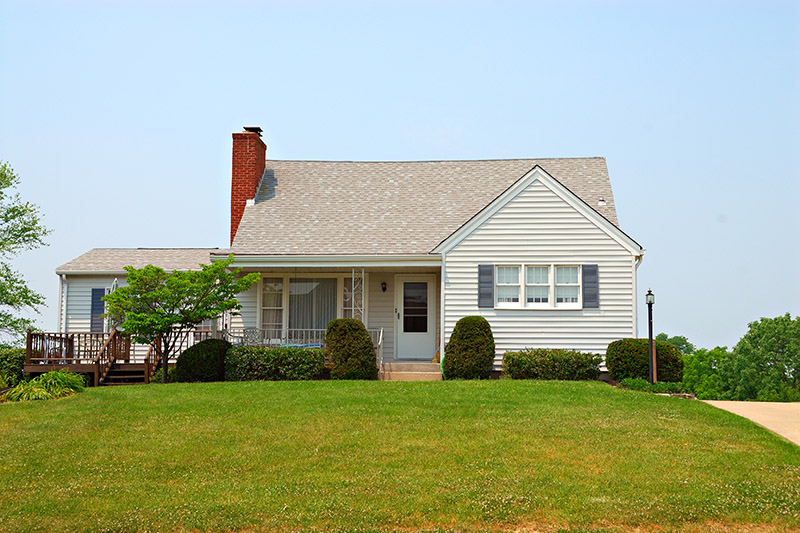
A USDA loan is a government-backed mortgage program designed to help eligible buyers purchase homes in rural and select suburban areas with little or no down payment. If you’re exploring homeownership in Cape Cod, MA, I’m Mike Burton, and I help local buyers navigate the USDA loan process with a focus on personal guidance and local expertise. With over 46 years as a resident here, I know the ins and outs of our market and how the USDA loan Cape Cod, MA program can open doors for first-time and second home buyers.
Key Takeaways
- Zero Down Payment: USDA loans in Cape Cod, MA allow eligible buyers to purchase with no money down, making homeownership more accessible.
- Location-Specific Eligibility: Only homes in USDA-designated rural areas of Cape Cod, MA qualify—eligibility maps are updated regularly.
- Income Limits Apply: Your household income must fall within current USDA limits for 2026, which vary by household size and county.
- Primary Residence Requirement: The USDA mortgage is designed for buyers planning to live in the home as their main residence.
- Lower Mortgage Insurance: USDA loans require a guarantee and annual fee, but these are typically lower than private mortgage insurance on other low down payment loans.
- Flexible Credit Standards: You don’t need perfect credit—USDA loans often work for buyers with less-than-stellar credit histories.
- Local Guidance Matters: Working with a USDA lender Cape Cod, MA who truly knows the area can help you avoid costly mistakes and delays.
Understanding USDA Loan Basics
USDA loans Cape Cod, MA are a unique option for buyers who want to purchase a home with little or no down payment in eligible areas. The program is backed by the U.S. Department of Agriculture and is designed to support homeownership in rural and certain suburban communities. As your local guide, I can help you determine if a USDA mortgage may be appropriate for your scenario and walk you through the process from start to finish.
Common Questions About USDA Loans
- What is a USDA loan? It’s a government-backed mortgage program that helps eligible buyers purchase homes in designated rural and suburban areas with no down payment.
- Who qualifies for a USDA loan? Buyers with low to moderate incomes who are purchasing a primary residence in a USDA-eligible area may qualify, subject to current income and property guidelines.
- How long does the USDA loan process take? The process can take a few weeks longer than a conventional loan because of the additional USDA approval step—typically 45 to 60 days from application to closing.
- Can I use a USDA loan for a second home or investment property? No, the USDA program is for primary residences only. If you’re considering a second home, you might look at other options such as a low down payment purchase option.
- Do I need perfect credit for a USDA loan? No, USDA loans have flexible credit requirements and may be available to buyers with credit scores lower than those required for conventional loans.
- Is mortgage insurance required? USDA loans require an upfront guarantee fee and an annual fee, which are generally lower than standard mortgage insurance on FHA or conventional loans.
- Are all homes in Cape Cod eligible for USDA loans? No, only properties in USDA-approved rural areas of Cape Cod, MA qualify. I can help you check eligibility using the most current maps.
- What if my income is above the USDA limit? If your income exceeds the current USDA cap, you may want to explore alternatives like an FHA home loan or a bank statement program.
How USDA Loans Work
- Initial Conversation: We’ll start with a discussion about your goals, financial situation, and the type of home you’re looking to purchase. I’ll explain how the USDA loan Cape Cod, MA program works and whether it may align with your needs.
- Pre-Qualification: I’ll review your credit, income, and debts to see if you meet current USDA guidelines for 2026. This helps you understand your price range and what payment of principal and/or interest you might expect, based on your loan amount and interest rate. This is just one example—there are many options to choose from.
- Property Search and Eligibility Check: Not all homes in Cape Cod are eligible. I’ll help you verify if your target property is in a USDA-approved area using the latest eligibility maps and criteria.
- Formal Application: Once you find a qualifying home, you’ll complete a formal mortgage application. I’ll guide you through the documentation process and answer any questions along the way.
- Processing and Underwriting: The lender reviews your file, verifies your income and eligibility, and orders an appraisal to ensure the property meets USDA standards. The USDA guarantee is also requested at this stage.
- Final Approval and Closing: After final approval, you’ll sign your closing documents and receive the keys to your new home. Ok, here is how the program works: your payment will be based on your loan amount and the interest rate you lock in. We’ll review several options together.
- Move In: With your USDA mortgage in place, you can settle into your new home, knowing you’ve used a program designed to make homeownership more accessible in Cape Cod, MA.
Is a USDA Loan Right for You?
USDA loans may be appropriate for buyers who want to purchase a primary residence in a USDA-eligible area with little or no down payment. If your household income is within current USDA limits for 2026 and you’re open to homes in qualifying rural or suburban zones, this program can be a strong option. In my experience, first-time homebuyers and those with limited savings often find the USDA mortgage to be a practical path to homeownership. If you’re also considering a first time home buyer loan, it’s worth comparing both programs to see which may work better for your needs.
However, a USDA loan may not be the right fit if you’re looking for a second home, investment property, or a home outside eligible areas. If your income exceeds the USDA limits or you’re focused on properties in more densely populated or higher-priced parts of Cape Cod, you may want to explore alternatives such as an FHA home loan, a bank statement program, or a reverse mortgage if you’re a senior homeowner. Each program has its own guidelines and benefits.
USDA Loan Costs, Fees, and What to Expect
Understanding the costs and fees of a USDA loan helps you plan for a smooth closing and avoid surprises. While USDA loans offer 0% down payment, you’ll still need to budget for closing costs, which typically range from 2% to 5% of the purchase price. As of 2026, USDA loans require an upfront guarantee fee (usually financed into the loan) and an annual fee paid monthly, both of which are generally lower than private mortgage insurance on FHA or conventional loans. For example, on a $400,000 purchase with no down payment, closing costs often run $8,000 to $12,000, depending on the property and local taxes. Timelines can be a bit longer than conventional loans because of the USDA approval step, so it’s smart to allow extra time in your purchase contract.
| Feature | USDA Loan | FHA Loan | Conventional Loan |
|---|---|---|---|
| Down Payment | 0% | 3.5% | 3%-20% |
| Upfront Fee | Required (as of 2026, check current rates) | Required (as of 2026) | Not required |
| Annual Fee/Mortgage Insurance | Yes (lower than FHA/Conventional) | Yes | May be required if under 20% down |
| Closing Costs | 2%-5% of price | 2%-5% of price | 2%-5% of price |
| Eligible Properties | USDA-eligible rural areas | Any (with limits) | Any |
| Primary Residence Required | Yes | Yes | No |
| Processing Timeline | May be longer due to USDA review | Standard | Standard |
Common Mistakes to Avoid with USDA Loans
- Assuming All of Cape Cod Is Eligible: Not every property in Cape Cod, MA qualifies for USDA financing—always check the latest maps before making an offer.
- Ignoring Income Limits: If your household income is above the current USDA cap for 2026, your loan could be denied late in the process. Double-check eligibility before you apply.
- Underestimating Closing Costs: Even with zero down payment, you’ll need funds for closing costs, prepaids, and reserves. I’ve seen buyers surprised by the actual cash needed at closing.
- Missing Documentation Deadlines: The USDA program requires detailed income and asset verification. Delays in providing paperwork can slow down your approval or cause you to miss contract deadlines.
- Overlooking Property Condition: USDA appraisals are strict about safety and livability. For example, if the home has peeling paint or outdated electrical, the loan could be delayed or denied until repairs are made.
- Not Using a Local USDA Lender: In our experience, working with a lender who understands Cape Cod’s market and USDA nuances can help you avoid pitfalls and get to closing faster.
Local Considerations for USDA Loans in Cape Cod, MA
Buying with a USDA loan in Cape Cod, MA means understanding both the eligibility maps and the local market dynamics. For example, areas like Sandwich and Brewster often have more USDA-eligible properties, while towns such as Hyannis or Falmouth may be excluded due to population density or recent map changes. The Cape’s economy is heavily influenced by seasonal tourism, healthcare, and small business sectors, which can impact both income documentation and property types available. Waterfront homes or older cottages may need extra scrutiny for condition and eligibility. As a Community Health Center Golf Tournament Chair, Chamber of Commerce member, and long-time resident, I can help you navigate these local nuances and find the right home for your needs.
Ready to Explore Your USDA Loan Options?
If you’re considering a USDA loan Cape Cod, MA, I’m here to help you understand your options and guide you every step of the way. Whether you’re a first-time homebuyer, moving up, or exploring alternatives, let’s sit down and review what’s possible. We can compare USDA loans to other programs like reverse mortgages, first time home buyer loans, or low down payment purchase options to help you make an informed decision. Get started with Mike Burton (NMLS #3373) today by reaching out or using the Get Started form.
This is educational content and not financial advice. Loan programs and guidelines can change. Talk with a licensed mortgage professional about your specific scenario.
Surf our website to learn about our company, see our loan programs, and request a free consultation.
Get started today!
Fill out the questionnaire on this page to start a discussion about your mortgage needs today!