FHA Loans: Down Payments and First-Time Eligibility
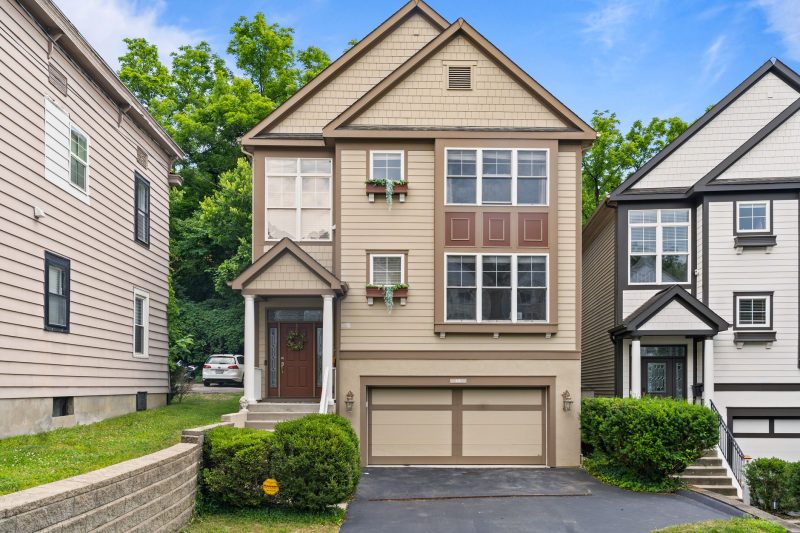
Buying your first home is exciting, but the down payment and loan rules can feel like a lot to take in.
An FHA loan is a government-insured mortgage that allows eligible buyers to purchase a primary residence with a down payment as low as 3.5%, subject to credit and lender requirements.
In this guide, I will go over FHA eligibility, down payments, mortgage insurance and what first-time home buyers should expect.
Key Takeaways
- Down Payment: Eligible borrowers may qualify with 3.5% down, while some credit situations require more.
- Eligibility: FHA loans are not limited to first-time buyers, but the home generally must be your primary residence.
- Mortgage Insurance: FHA loans include upfront and annual mortgage insurance charges.
- Best For: FHA financing may help buyers who need a lower down payment or more flexible credit guidelines.
I am Mike Burton (NMLS# 3373), Mortgage Broker/Owner at Slade Mortgage Group. I have 40 years of mortgage experience and I am licensed in Massachusetts and Florida. I am here to help you understand the information, compare the choices and decide what makes sense for your situation.
Quick Answers About FHA Loans
- Are FHA loans only for first-time home buyers? No. First-time and repeat buyers may use FHA financing if they meet the program requirements.
- What is the minimum FHA down payment? The FHA baseline is commonly 3.5% with a qualifying credit score of at least 580. Lenders may have additional requirements.
- Can my FHA down payment be a gift? Often, yes. Gift funds may be allowed from an acceptable source when the transfer and source are properly documented.
- Does an FHA loan have mortgage insurance? Yes. FHA financing generally includes both upfront and annual mortgage insurance charges.
How Does an FHA Loan Work?
Ok, here is how the program works. You apply for the mortgage through an FHA-approved lender. The Federal Housing Administration insures the loan, but it does not lend the money directly to you.
This insurance gives lenders some flexibility with credit, down payment and debt guidelines. You still need to qualify. The lender will review your income, employment, assets, credit, monthly obligations and the property you plan to purchase.
An FHA loan may be used to buy an eligible primary residence, including certain single-family homes, two-to-four-unit properties and approved condominiums. You generally need to occupy the property as your main home. FHA financing is not intended for a vacation home or a property purchased only as an investment.
If you are comparing programs, you can also review the FHA home loan program and other low down payment purchase options.
FHA Down Payment Requirements
The down payment is one of the main reasons first-time home buyers ask me about FHA loans. Under the standard FHA guidelines, a borrower with a qualifying credit score of at least 580 may be eligible for a 3.5% down payment.
A credit score from 500 through 579 may require at least 10% down under FHA guidelines. Not every lender accepts scores in that range. Some lenders apply additional credit requirements, which are commonly called lender overlays.
Your required down payment is based on the purchase price or appraised value, whichever is lower. The down payment does not include every closing expense. You may also need funds for closing costs, prepaid property taxes, homeowners insurance and other items connected to the purchase.
Down payment funds may come from your own accounts. FHA guidelines may also permit properly documented gifts and certain approved assistance programs. The source of every deposit may need to be verified, so it is helpful to talk about the funds before moving money between accounts.
Down Payment Is Not the Same as Cash to Close
This part can be confusing. No worries, I will go over it with you.
Your down payment is the portion of the purchase price you are not financing. Your cash to close may include the down payment, closing costs and prepaid expenses, minus any eligible credits or deposits already paid.
When we review the numbers, I may explain it this way: You will have a payment of Principal and/ or interest of this amount. This is based on a loan amount of this and an interest rate of this.
We will also include estimated property taxes, homeowners insurance and FHA mortgage insurance so you can see a more complete monthly payment. This is 1 example, we have many options to choose from.
Who Is Eligible for an FHA Loan?
You do not need to be a first-time home buyer. You also do not need to meet a specific income limit simply because you are using FHA financing. Your income does need to be stable, documented and sufficient for the proposed payment and your other obligations.
The lender will generally review the following:
- Credit history: Your credit scores, payment patterns, collections, bankruptcies and other credit events may be considered.
- Income: Employment, self-employment, retirement, benefit and other acceptable income may be used when it meets current documentation rules.
- Debt obligations: The lender compares your qualifying income with your proposed housing payment and other monthly debts.
- Available funds: Your down payment, closing funds and reserves may need to be documented.
- Occupancy: The property generally needs to be your primary residence.
- Property eligibility: The home must meet FHA appraisal and property requirements.
There is not one answer that fits everyone. A credit score is important, but it is not the only item reviewed. Income stability, recent payment history, funds available and the total loan file may also affect the decision.
FHA Mortgage Insurance Explained
FHA mortgage insurance protects the lender if the borrower defaults on the loan. It is different from homeowners insurance, which covers certain losses involving the property.
FHA loans generally have an upfront mortgage insurance charge and an annual mortgage insurance charge. The upfront amount is commonly financed into the mortgage. The annual amount is usually divided into monthly installments and included in your mortgage payment.
How long the annual mortgage insurance remains can depend on the original down payment, loan term and current FHA rules. In some cases it remains for the life of the FHA loan. A future refinance may be one way to remove it, but refinancing requires a new qualification and should be evaluated based on the costs and market conditions at that time.
FHA Loans Compared With Other Mortgage Options
| Loan Type | Down Payment | Mortgage Insurance | General Use |
|---|---|---|---|
| FHA | As low as 3.5% with qualifying credit | Upfront and annual FHA mortgage insurance | Eligible primary residences |
| Conventional | Some programs allow as little as 3% | May apply based on down payment and loan structure | Primary, second home or investment use, depending on the program |
| VA | May allow 0% down for eligible borrowers | No monthly mortgage insurance, but other charges may apply | Eligible service members, veterans and qualifying surviving spouses |
The lowest down payment is not always the main goal. I also look at the estimated monthly payment, mortgage insurance, cash needed, property type and how long you may keep the loan. Current market rates and program guidelines can change, so the comparison should be based on up-to-date information.
FHA Property and Appraisal Requirements
An FHA appraisal has two main jobs. It provides an opinion of the property’s value and reviews whether the home meets FHA’s minimum property requirements.
The appraiser may identify issues involving health, safety or the property’s basic condition. Depending on the issue, a repair may need to be completed before closing. The specific decision depends on the appraisal, the property and current FHA guidance.
An FHA appraisal is not a home inspection. A home inspection is a separate review completed for the buyer’s information. You should discuss inspection choices and contract deadlines with your real estate and legal professionals.
For homes on Cape Cod and the Islands, Plymouth County, Barnstable County and the South Shore, property details can vary. Flood zones, private septic systems, wells, condominium approvals and insurance availability may need extra attention. These items do not automatically prevent FHA financing, but it is better to review them early.
FHA Loan Limits Vary by County
FHA sets maximum loan amounts based on the county and the number of units in the property. The limit for a single-family home may be different from the limit for a two-to-four-unit property.
Loan limits may also change over time. A home in the Boston Area may have a different applicable limit than a home in another part of Massachusetts or Florida. I will check the current county limit when we review the purchase price and loan amount.
Steps to Apply for an FHA Loan
- Review your goals. We will talk about the purchase price, estimated payment, available funds and timing.
- Complete the application. You provide information about your income, employment, assets, debts and housing history.
- Gather documents. Common items include income records, bank statements, identification and information about funds being used.
- Compare loan choices. FHA may be a good option, but I will also explain other programs that fit the scenario.
- Prepare for pre-approval. If the file meets the initial requirements, a pre-approval may help you understand a practical price and payment range. It is not a final loan approval.
- Complete the property review. After an accepted offer, the appraisal, title work, insurance and final underwriting are completed.
The timeline varies based on the borrower, property, appraisal and transaction. It helps to start before you make an offer. That gives us time to look for questions, review the funds and discuss the next steps.
Let’s Review Your FHA Options
There is a lot of information here. It may take a little time to settle in. That is ok. I am happy to go over it again.
I have lived on Cape Cod for 46 years, and I work with buyers throughout Cape Cod, Nantucket, Martha’s Vineyard, the South Shore, Plymouth and the Boston Area. I also help borrowers in other parts of Massachusetts and Florida.
Please call, text or email Slade Mortgage Group if you would like to review your scenario. I can help you compare FHA with other loan options, estimate the funds and payment, and understand the pre-approval process. From there, we will go over the next steps together.
Frequently Asked Questions
Can I use an FHA loan to buy a condominium?
Yes, but the condominium and transaction need to meet current FHA requirements. The lender will check the project’s approval status and review any documentation required for the unit and association.
What happens if the FHA appraisal identifies repairs?
The appraiser may require certain repairs to be completed before the loan can close. The lender, buyer, seller and real estate professionals will need to review the report and determine how the repairs will be handled.
Can a self-employed borrower qualify for an FHA loan?
Yes, self-employed income may be eligible when it can be documented and meets current underwriting guidelines. Tax returns, business records and other documentation may be needed to evaluate income stability.
How long does it take to close an FHA purchase loan?
The timing varies based on the borrower’s documentation, appraisal, title work, insurance and property condition. Starting the pre-approval process early can help identify questions before an offer is accepted.
Can I refinance out of an FHA loan later?
Possibly, if you qualify for a new loan at that time. A refinance should be reviewed based on current rates, property value, credit, income, closing costs and the time you expect to keep the new mortgage.
This is educational and not financial advice. Loan programs and guidelines can change. Talk with a licensed mortgage professional about your specific scenario.

Mike Burton
Mike has over 33 years in the mortgage industry as a top originator for each institution he was employed with. Mike started Slade Mortgage Group in 1997 and formed a team of professionals to service clients by beating the banks.
Related Posts