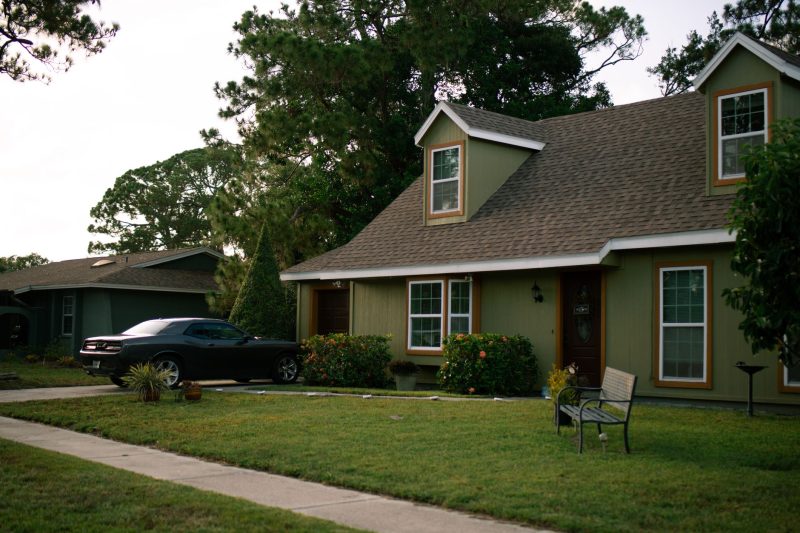
Reverse Mortgages: Benefits for Cape Cod Retirees

Living on Cape Cod in retirement can be wonderful, but managing monthly expenses with most of your money tied up in your home may feel stressful. A reverse mortgage allows an eligible homeowner to access a portion of their home equity without making monthly Principal and interest payments on the loan. In this guide, I will explain how reverse mortgages work, the possible benefits, the responsibilities you keep, and what Cape Cod homeowners should consider.
Key Takeaways
- Purpose: A reverse mortgage can turn part of your home equity into available funds while you continue living in the home.
- Eligibility: A Home Equity Conversion Mortgage generally requires the youngest borrower to be at least age 62 and the property to be a primary residence.
- Payments: Monthly Principal and interest payments are generally not required, but interest and loan charges are added to the balance.
- Responsibilities: You must continue paying property taxes, homeowners insurance, applicable flood insurance, and property expenses.
- Best For: It may be useful for eligible homeowners who have substantial equity and want more flexibility with their monthly cash flow.
I am Mike Burton (NMLS# 3373), Mortgage Broker/Owner with Slade Mortgage Group. I have 40 years of mortgage experience and I am licensed in Massachusetts and Florida.
What I enjoy is seeing the relief when a financial situation starts to make sense. Friends and clients have told me that I helped them feel comfortable and made a complicated process easier to understand.
Quick Answers About Reverse Mortgages
- Do I make a monthly mortgage payment? Monthly Principal and interest payments are generally not required. You may choose to make payments, but you still need to pay taxes, insurance, and other property expenses.
- Do I still own my home? Yes. You keep title to the home, subject to the reverse mortgage lien, just as with a traditional mortgage.
- How can I use the proceeds? Funds can generally be used for normal living costs, home repairs, health-related expenses, paying other debt, or other personal needs.
- Can I get one on a Cape Cod second home? A federally insured Home Equity Conversion Mortgage is for a primary residence, not a seasonal or second home.
- Does the loan balance stay the same? Usually not. The balance commonly increases as funds are received and interest and loan charges accrue.
How Does a Reverse Mortgage Work?
Ok, here is how the program works. A reverse mortgage uses part of the equity in your primary home to provide funds to you. The amount available depends on several items, including your age, the property value, current market rates, existing mortgage debt, and program guidelines.
The most common reverse mortgage is the Home Equity Conversion Mortgage, also called a HECM. It is insured by the Federal Housing Administration and offered through approved lenders.
You will not have a payment of Principal and/ or interest due each month under the normal terms of the loan. Instead, interest and applicable charges are added to the loan balance. You can usually make voluntary payments if you choose.
The loan generally becomes due when the last borrower sells the home, moves out permanently, or passes away. It may also become due if required property charges are not paid or the other loan obligations are not met.
What Are the Main Benefits of a Reverse Mortgage?
Access to Home Equity
Many Cape Cod homeowners have owned their property for a long time. The home may have considerable equity, but that equity does not automatically help with monthly expenses.
A reverse mortgage creates a way to access some of that equity without selling the property. Depending on the program, proceeds may be available as a lump sum, monthly advances, a line of credit, or a combination of these choices.
Not every payment option is available with every interest rate structure. I will go over what is currently available and how each choice affects the loan balance.
No Required Monthly Principal and Interest Payment
Removing a required monthly mortgage payment may help create room in a household budget. This can be especially helpful when income is fixed or when expenses have changed.
No worries, this does not mean the loan is free. Interest accrues, the balance can grow, and closing costs apply. The important point is that the repayment structure is different from a regular mortgage or home equity loan.
Paying Off an Existing Mortgage
A reverse mortgage can be used to pay off an existing mortgage at closing. If the reverse mortgage proceeds are not enough to pay the current loan in full, the homeowner may need to bring funds to closing.
Paying off the existing loan may remove that monthly Principal and interest obligation. Property taxes, insurance, condominium fees, maintenance, and other home expenses continue.
More Flexibility for Home Repairs
Homes throughout Barnstable County can need ongoing work. Roofing, heating systems, windows, septic systems, and weather-related repairs may become expensive.
Reverse mortgage proceeds may be used for repairs or improvements. There are generally no restrictions on how the borrower uses the funds, although certain property conditions may need to be corrected as part of the loan approval.
A Possible Line of Credit for Future Needs
Some borrowers select a reverse mortgage line of credit and leave part of it unused. With certain HECM structures, the available credit may grow over time based on the program terms. This is not investment growth and it is not the same as earning interest in a bank account.
A line of credit can provide flexibility because you generally draw funds only when needed. This is 1 example, we have many options to choose from.
What Responsibilities Do You Keep?
This part is very important. A reverse mortgage removes the required monthly Principal and interest payment, but it does not remove your responsibilities as the homeowner.
You must generally:
- Use the property as your primary residence.
- Pay property taxes when due.
- Maintain homeowners insurance and any required flood insurance.
- Keep the property in reasonable condition.
- Pay condominium fees or similar property charges, when applicable.
- Complete occupancy certifications when requested.
The lender will complete a financial assessment. Income, credit history, assets, property charges, and the ability to meet ongoing obligations are commonly reviewed. In some situations, part of the available proceeds may be set aside to help pay future taxes or insurance.
Reverse Mortgage Compared With Other Equity Options
| Option | Monthly Payment | Access to Funds | Important Point |
|---|---|---|---|
| Reverse Mortgage | No required monthly Principal and interest payment under normal loan terms | Payment choices vary by program | Primary residence and age requirements apply |
| Home Equity Line of Credit | Monthly payments are required | Draw from a revolving credit line | Qualification and access can vary by lender |
| Cash-Out Refinance | Monthly payments are required | Usually provided at closing | Replaces the current mortgage with a new loan |
A traditional HELOC home loan may make sense when a borrower wants revolving access to equity and is comfortable with required monthly payments. Other mortgage loan options may also be worth reviewing before making a decision.
There is no single answer for every homeowner. We need to look at your goals, monthly budget, current mortgage, property plans, and how long you expect to remain in the home.
Cape Cod Property Issues to Review
Cape Cod and the Islands have property details that may affect the process. Flood zones, private septic systems, condominium approval, insurance availability, and seasonal property use can all come into the conversation.
A Cape Cod property used as a primary residence may be eligible if it meets the current program requirements. A home treated as a vacation or second property generally will not qualify for a HECM.
The appraisal is also important. The appraiser reviews the home’s value and condition. Coastal location, comparable sales, property type, and needed repairs may affect the report.
Costs and Interest on a Reverse Mortgage
Reverse mortgages can have closing costs. These may include lender charges, an appraisal, title work, recording charges, counseling costs, and mortgage insurance for an FHA-insured HECM. Costs vary by lender, property, and loan structure.
Interest rates also vary. A fixed rate may be connected with a lump-sum structure, while an adjustable rate may allow other payment choices. Current guidelines and available options should be verified when you apply.
I will show you a loan illustration. It will explain the estimated proceeds, current market rate, closing costs, and how the balance may change over time. The information may take some time to settle in. I am happy to go over it again.
Required Reverse Mortgage Counseling
Before applying for a HECM, you generally need to complete counseling with an independent HUD-approved housing counselor. The counselor explains the program, costs, alternatives, and homeowner responsibilities.
This is an educational step and is separate from the lender. You will receive a counseling certificate after completing the session. That certificate is generally needed before the loan process can move forward.
Is a Reverse Mortgage the Right Direction?
A reverse mortgage may be worth considering if you meet the age and occupancy rules, have enough home equity, and can continue paying the required property expenses. It may not fit if you plan to move soon, want to preserve as much home equity as possible, or cannot maintain the home’s ongoing expenses.
Family members or trusted advisors can be included in the conversation if you choose. I can explain the numbers and answer questions, but the decision is yours. The main idea is to have you confidant and comfortable before deciding which direction you will go in.
If you own a primary home on Cape Cod, the South Shore, in Plymouth County, or in the Boston Area, please call, text, or email me. We can review your scenario, compare the options, and talk about the next steps. I am here to help.
Frequently Asked Questions
Can a spouse younger than 62 be included in a reverse mortgage?
A spouse younger than 62 may be treated as an eligible non-borrowing spouse when current HECM requirements are met. The available protections and loan proceeds depend on the exact situation, so the title, occupancy, and marital information should be reviewed carefully.
Can a Cape Cod condominium qualify for a reverse mortgage?
A condominium may qualify if the property and project meet current program guidelines. The lender may need to review FHA approval, insurance, owner occupancy information, and the condominium’s financial documents.
What happens to a reverse mortgage when the homeowner passes away?
The loan generally becomes due after the last borrower passes away. Heirs may sell the property, repay the balance and keep the home, or work with the loan servicer regarding the available choices and required timeline.
Can I qualify if I already have a mortgage on my home?
Possibly. The existing mortgage must generally be paid off at closing with reverse mortgage proceeds, other available funds, or a combination of both.
How long does the reverse mortgage process take?
The timing varies based on counseling, the appraisal, title work, property condition, and document collection. Coastal insurance questions, condominium reviews, or required repairs can add time, so I recommend starting before the funds are needed.
This is educational and not financial advice. Loan programs and guidelines can change. Talk with a licensed mortgage professional about your specific scenario.

Mike Burton
Mike has over 33 years in the mortgage industry as a top originator for each institution he was employed with. Mike started Slade Mortgage Group in 1997 and formed a team of professionals to service clients by beating the banks.
Related Posts